
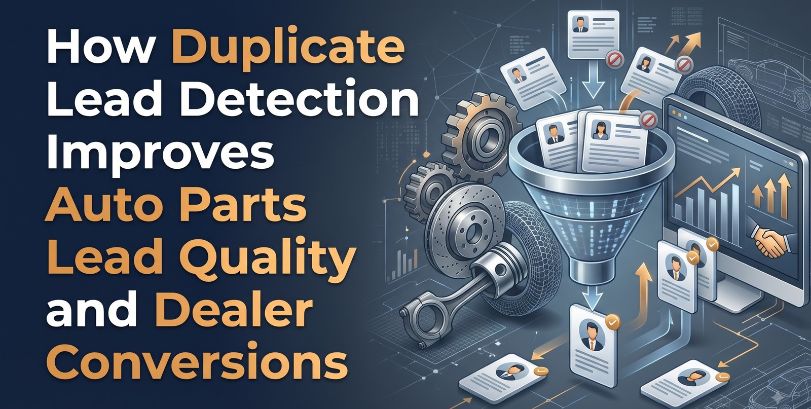
Auto parts dealers receive inquiries through websites, contact forms, phone calls, online advertisements, and business directories. However, the same potential buyer may submit multiple inquiries while searching for an engine, transmission, or replacement component. When these repeated inquiries are treated as separate opportunities, sales teams can waste time, increase marketing costs, and create confusing customer experiences. Duplicate lead detection helps businesses identify repeated records, organize genuine inquiries, and improve conversion opportunities. For an Automotive Lead Agency, maintaining accurate Auto Parts Leads is an important part of delivering value to dealers and suppliers.
What Is Duplicate Lead Detection?
Duplicate lead detection is the process of identifying multiple records that belong to the same potential customer or buying inquiry. These records may contain identical contact details or slightly different information.
For example, a customer searching for a used Honda engine might submit one inquiry through a website and another through a paid advertisement. Both records could represent the same purchase requirement.
A lead management system can compare available information to identify possible duplicates before they are assigned to sales representatives. The objective is not simply to delete repeated records. It is to preserve useful customer information while preventing unnecessary follow-ups and inaccurate reporting.
Why Duplicate Auto Parts Leads Create Problems
Duplicate records can affect several parts of the sales process.
1. Wasted Sales Follow-Ups
When two representatives contact the same buyer independently, the customer may receive repeated calls or messages. This can create frustration and reduce confidence in the supplier.
A duplicate detection process helps teams identify existing conversations before assigning another representative.
2. Inaccurate Marketing Performance Data
Repeated inquiries can make lead generation campaigns appear more successful than they actually are. If every submission is counted as a new prospect, reporting may overstate campaign performance.
Removing or merging confirmed duplicates provides a more realistic picture of unique inquiries and conversion rates.
3. Higher Customer Acquisition Costs
Marketing budgets become less efficient when businesses repeatedly pay to acquire the same inquiry. Identifying duplicate submissions helps marketing teams understand how many genuinely new prospects each campaign generates.
4. Conflicting Customer Information
A buyer may submit different vehicle details, engine requirements, or contact information across multiple forms. Without proper record management, sales teams may work with outdated or inconsistent details.
How Duplicate Lead Detection Works
An effective duplicate detection process combines contact matching, inquiry analysis, and human verification.
1. Phone Number and Email Matching
Phone numbers and email addresses are commonly used to identify repeated records. Before matching, systems can standardize phone number formats, remove unnecessary spaces, and normalize email addresses.
For example, the same phone number entered with different country-code formatting should not automatically be treated as two unrelated contacts.
2. Name and Location Comparison
Names and locations can provide additional matching information. However, these fields should not be used alone because different customers may share similar names or live in the same area.
Combining several data points improves matching accuracy.
3. Vehicle and Part Requirement Matching
Auto parts inquiries often include specific buying requirements, such as:
- Vehicle make and model.
- Manufacturing year.
- Engine or transmission type.
- VIN or part number, when available.
- Required component condition.
- Delivery location.
Comparing these details can help identify repeated inquiries even when contact information is slightly different.
4. Time-Based Inquiry Analysis
Multiple submissions from the same customer within a short period may indicate a repeated inquiry. A lead management platform can flag these records for review instead of automatically creating separate sales opportunities.
Time-based matching should be used carefully because a customer may legitimately return with a different requirement.
How an Automotive Lead Agency Benefits From Duplicate Management
An Automotive Lead Agency can improve lead delivery by establishing clear validation procedures before distributing inquiries to dealers. A structured process may include:
- Standardizing customer contact information.
- Checking repeated phone numbers and email addresses.
- Comparing vehicle and part requirements.
- Reviewing suspicious or incomplete submissions.
- Merging confirmed duplicate records where appropriate.
- Maintaining timestamps and original campaign information.
These practices help create cleaner lead databases and improve transparency between lead providers and automotive businesses.
Improving Dealer Conversions With Cleaner Auto Parts Leads
High-quality Auto Parts Leads help sales representatives focus on genuine buying opportunities rather than repeated records. Dealers can improve their conversion process through several practical steps.
- Prioritize verified inquiries: Contact customers whose requirements and contact details have been validated.
- Maintain inquiry history: Record previous conversations so representatives understand what the customer has already requested.
- Assign leads consistently: Use clear ownership rules to prevent multiple salespeople from contacting the same prospect.
- Track unique lead performance: Measure conversions using unique prospects rather than total form submissions.
- Respond quickly: Contact genuine buyers promptly while their purchasing interest is active.
These improvements can make follow-ups more organized and help dealers use their sales resources efficiently.
Important Practices for Accurate Lead Deduplication
Duplicate detection should balance accuracy with customer privacy. Automatically deleting every similar record can remove legitimate inquiries, particularly when multiple people share a phone number or purchase similar components.
Businesses should establish matching rules, maintain an audit trail, and allow manual review of uncertain cases. Customer information should also be collected and handled according to applicable privacy requirements.
A well-managed system should preserve original inquiry sources and timestamps so marketing teams can evaluate campaign performance accurately.
Final Thoughts
Duplicate lead detection helps auto parts businesses reduce repeated follow-ups, improve database accuracy, and understand the real performance of their marketing campaigns. By combining contact matching, vehicle information, inquiry history, and manual verification, businesses can create a more dependable lead management process.
For an Automotive Lead Agency, delivering validated Auto Parts Leads can strengthen dealer relationships and improve sales efficiency. Cleaner records allow dealers to focus more time on genuine buyers and build a more organized conversion process.